Operations, Budgets & Schedules...The Long Version
Updated: May 1

I was an accidental coordinator, an accidental producer, an accidental salesperson, and finally, a more seasoned project specialist. But the career paths I wandered into – some more intentional than others – helped define, and eventually refine, a focus on specialities such as budgeting and scheduling chops, and most of all, an appreciation for smooth process with understandable moving parts.
As an accidental producer, I walked into an interview where the company partners were just finishing up a big disagreement. The room was abuzz with mixed feelings, and little did I know, a parting of ways. I started as a music video representative, calling on record labels, managers, band members, and basically anyone who would listen – and more crucially, who might have two pennies to rub together.

➡️ My success as a rep was limited; I had no sales training, but luckily, the great work of an up and coming director spoke for itself, and before I knew it, we were producing a plethora of music videos and promo projects. A sprinkling of commercial projects would come later, and those shoots were fundamentally different, meaning not as creative and a lot more dough. Learning hands-on production was not simple; there were overlapping moving parts, constant changes in scope, fickle clients, expensive equipment, weird artists, and always...limited budgets – always! But within a short time, I had a meaty checklist that could get any bonehead newbie just out of college through a 14-hour shoot in the desert. In other words, I got good at getting through controlled chaos with a simple list of tasks and a checkmark.
What started as accidental quickly became instructional: when the stakes are high, the money is tight, and the personalities are louder than the speakers, process is the only thing standing between a wrap party and a slow-motion meltdown. And somewhere between wrangling catering, permits, camera rentals, and creative egos, I realized I wasn’t just surviving production – I was building the muscle to keep complicated things moving without anyone noticing how close we occasionally were to absolute mayhem (in other words, going over budget).
>PRODUCTION
I produced a dozen story-intensive video projects a year, adapting detailed budgets and schedules, guiding clients, and helping to transform an unknown director into a recognized name. All while keeping a close eye on the budget and schedule we presented to the client, while ideas continued to bounce around, threatening the scope of work with additions and overruns at every turn. That's when I got better at guiding, coaching, listening, understanding and encouraging. And I learned the value of enjoying the process while working long, long hours.
>POST PRODUCTION
As a post-production manager in a mid-size studio, I oversaw 10-20 projects per week, including promos, videos, and print production, which meant a constant flow of schedules, instructions, specs, and deliverables. The biggest risk was staying on track amid numerous touchpoints in each project, and fitting in new projects where possible within the stream of deliverables. And that's when I got wind of an area of study called "project management". Who knew? Well, a compassionate comrade with an ounce of wisdom happened to mention he had received his certification.
>OPERATIONS
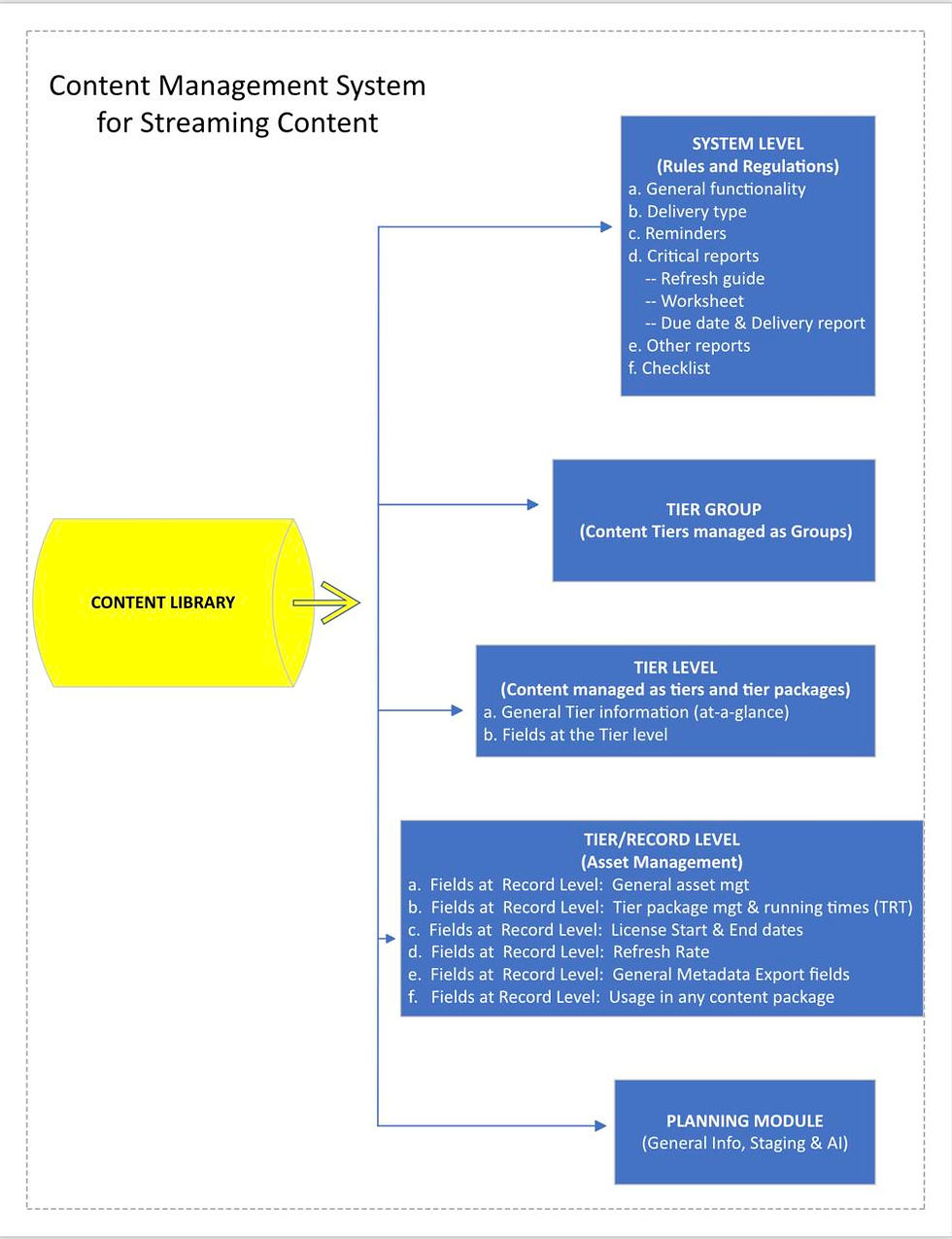
Lastly, our team grew a video-on-demand content program to 15 monthly packages per month, including titles, promos, editing and deliverables. I had to create a way to ensure compliance and metadata standards for a cable provider. Over more than a few meetings, I refined the business requirements for a proprietary software app, leading requirements sessions, prioritizing solutions, and presenting use cases, all defined with UX and feature-rich wireframes. We then executed the content distribution system by leading 2 developers and 5 testers, streamlining a laborious process into peak efficiency, and with the ability to focus on growth and scale. This cut the time to delivery down by more than 30%, doubling profits and helping to position the company as a competitive content provider.


Comments